

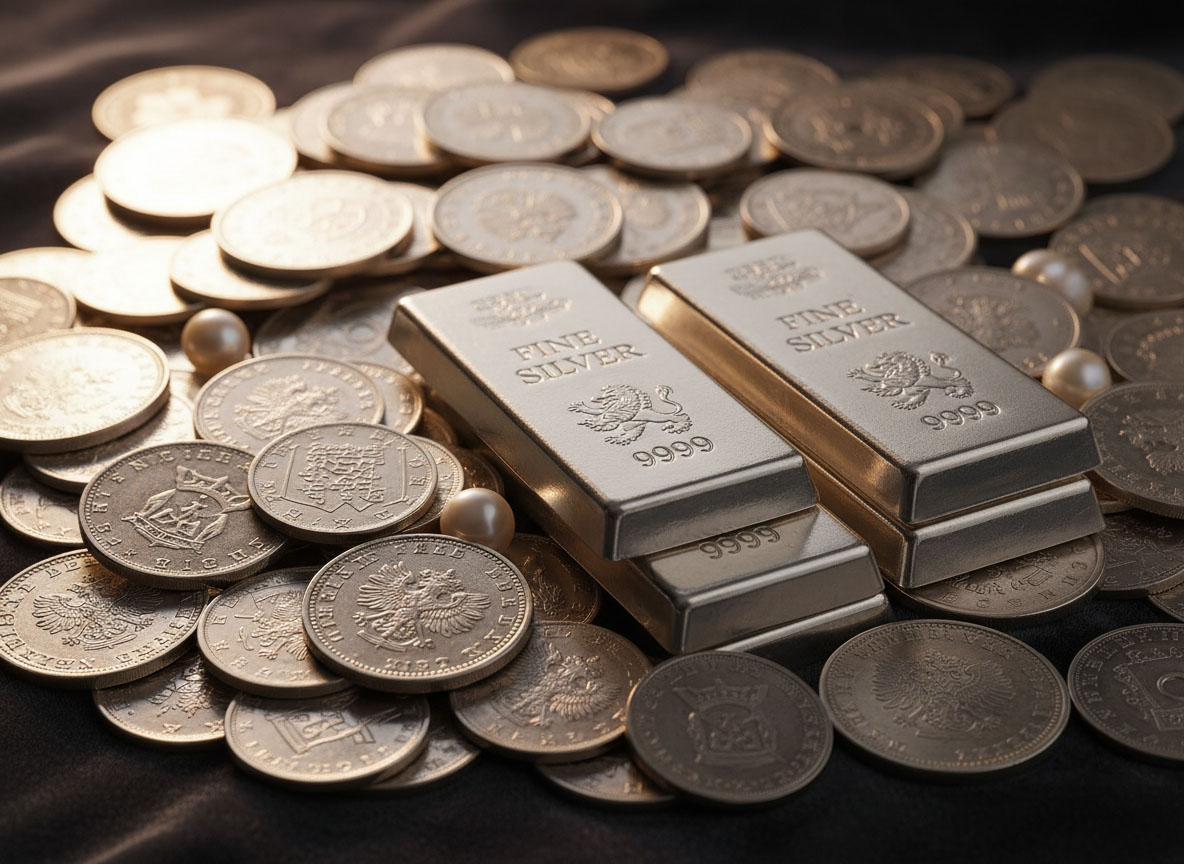
Top 10 Indicators Show Silver Will Continue To Go Up Over The Next 2 Years
Predicting the exact direction of silver over a two-year horizon is challenging because it acts as both a monetary safe haven and a crucial industrial commodity.
Following a massive breakout where silver surged over 130% to 140% to trade well above $70/oz, the market is sitting at a historically high and volatile junction.
To determine whether silver will go up or down over the next two years, analysts track a blend of macroeconomic, technical, and supply-demand metrics. Here are the top 10 indicators to watch and what they currently signal:
1. Industrial Demand (Solar, EVs, and AI)
- Status: 🟢 Highly Bullish
- Why it matters: Unlike gold, over 50% of silver demand comes from industrial applications. Silver is the most electrically conductive metal on Earth. It is a non-negotiable component in solar photovoltaic (PV) panels, electric vehicle (EV) electronics, 5G infrastructure, and the rapidly growing AI data center ecosystem.
2. Structural Supply Deficit
- Status: 🟢 Bullish
- Why it matters: According to the Silver Institute, the silver market has experienced consecutive years of physical supply deficits. Mine production is relatively inelastic because most silver is mined as a byproduct of copper, lead, and zinc. New primary silver mines take up to a decade to spin up, meaning supply cannot easily scale to meet rising industrial needs.
3. The Gold-to-Silver Ratio (GSR)
- Status: 🟡 Neutral to Bullish
- Why it matters: The GSR measures how many ounces of silver it takes to buy one ounce of gold. Historically, the 20th-century average is around 50:1 to 60:1. When the ratio stretches exceptionally high (e.g., above 80:1 or 100:1), it indicates silver is historically cheap relative to gold and often snaps back by silver outperforming gold. The ratio has compressed significantly due to silver’s recent rally, meaning the “easy” catch-up gains may be behind us, though a full normalization would support higher prices.
4. Interest Rates and Central Bank Policy
- Status: 🟢 Bullish
- Why it matters: Precious metals do not yield dividends or interest. Therefore, when central banks lower interest rates (monetary easing), the opportunity cost of holding silver decreases, making it more attractive to investors. A global macro environment favoring rate cuts historically boosts precious metals.
5. Inflation and Currency Devaluation
- Status: 🟢 Bullish
- Why it matters: Silver has served as a tangible store of value for thousands of years. When global fiat currencies experience purchasing power inflation due to heavy government deficit spending, capital tends to rotate into hard assets like gold and silver to preserve wealth.

6. The Strength of the U.S. Dollar (DXY)
- Status: 🟡 Variable
- Why it matters: Silver is globally priced in U.S. dollars. There is typically an inverse relationship: a weaker U.S. dollar makes silver cheaper for foreign buyers using other currencies, driving up demand and price. Tariffs and shifting global trade policies can cause sharp swings in the dollar, which creates localized volatility for silver.
7. Physical Inventory Drawdowns (LBMA & COMEX)
- Status: 🟢 Bullish
- Why it matters: Tracking the physical vaults of major exchanges like the London Bullion Market Association (LBMA) and the Chicago Mercantile Exchange (COMEX) shows how much silver is readily available for delivery. Visible registered inventories have drawn down over multi-year periods, signaling that physical buyers are draining warehouses.
8. Exchange-Traded Product (ETP/ETF) Inflows
- Status: 🟢 Bullish Momentum
- Why it matters: Institutional and retail investor sentiment is highly visible through silver ETFs. When major funds experience heavy net inflows, the fund managers are forced to buy millions of ounces of physical silver to back the shares, heavily accelerating upward price momentum.
9. Technical Chart Breakthroughs (Resistance and Support)
- Status: 🟡 Cautionary / High Volatility
- Why it matters: From a technical analysis perspective, silver broke out of a multi-decade trading range by smashing past its old nominal ceiling of $50/oz. While breaking long-term resistance is a major secular bull signal, vertical spikes often lead to sharp, volatile corrections as “froth” is shaken out of the futures market before the next leg up.
10. Technology “Thrifting” and Substitution
- Status: 🔴 Bearish Threat
- Why it matters: Because silver prices have risen so dramatically, industrial manufacturers are actively attempting to “thrift” (use less silver per component) or substitute it altogether with cheaper metals like copper or aluminum. If silver stays too expensive for too long, aggressive engineering shifts could eventually dent long-term industrial demand.
The 2-Year Verdict: Up or Down?
The Consensus Trajectory Leans Moderately to Highly Bullish
While short-term price drops and extreme volatility are highly probable—especially after such an explosive move upward—the underlying structural mismatch between high technological demand and lagging mine supply creates a very strong fundamental floor. Most major institutional forecasts (e.g., J.P. Morgan, Bank of America) view the multi-year trajectory favorably, with many projecting silver to consolidate its gains and target a range anywhere from $75 to $100+ per ounce by the 2027–2028 window.
Leave a Reply
You must be logged in to post a comment.