
The Wizard of Oz Tried to Warn Us About the Money System | Big Money Investing Review
Video Transcript
Welcome to Big Money Investing
Your Ultimate Destination for Learning From Big Money and How You Can Succeed Too!
Are you ready to take it to the next level?
Investing into sound investments like big money does. Subscribe to the Big Money Investing Channel
Everyone remembers this story, a young girl, a tornado, a yellow brick road, and a wizard behind a curtain. But what if I told you the Wizard of Oz was never meant to be a children’s fantasy at all, but a coded message, warning about America’s broken money system? Believe it or not, it’s a financial allegory written more than a century ago that predicted the world we live in today. Stay with me here. In the original book from 1900, before Hollywood changed the story, Dorothy’s Slippers weren’t ruby. They were actually silver. Also, it wasn’t just a yellow brick road. It was a golden path, and every step was a warning. And the Emerald City, a glittering illusion of wealth created by men from behind a curtain. L. Frank Baum wrote his story a long time ago at the peak of one America’s greatest monetary battles. Back when the nation was torn between gold and silver, debt and freedom, the people and the powerful. This wasn’t just a fairy tale. It was a mirror showing how deeply money, politics, and corruption intertwine, and how a nation built on freedom was slowly being shackled by debt. Over 100 years later, that warning feels prophetic. Inflation, dishonest money, and government overspending have become the tornado that’s pulling us all into the land of Oz, a place of illusion where paper promises replace real value. And once again, the men behind the curtain are telling us not to worry and that everything’s under control. But it’s not. The system is slowly breaking. And unless we learn the lesson hidden in this century-old story, we may never find our way back home. The Oz You Thought You Knew. Most of us grew up with the 1939 film, The Wizard of Oz. The Technicolor Magic, Judy Garland singing, Somewhere Over the Rainbow, The Red Ruby Slippers, The Wicked Witch, The Flying Monkeys, The Great and Powerful Wizard. But long before Hollywood turned it into a musical, The Wonderful Wizard of Oz was a political parable disguised as a fantasy novel, published in 1900 by L. Frank Baum. Baum wasn’t a politician, he wasn’t a banker, he was a newspaper editor, a storyteller, living through one of the most turbulent economic times in American history. At the time, the US was still on the gold standard, a system where paper money was backed by physical gold held in reserve in vaults. But this led to deflation because the supply of money was limited by the bound of physical gold held in reserves. Prices fell, but debts didn’t. That meant people had to work harder and earn less just to repay the same amount. Credit dried up, banks pulled back, and the result was devastating for working-class Americans, especially farmers and small business owners. In response, a political movement called “The Populist” began to demanding something radical to free silver, the idea that silver also should back the US currency, expanding the money supply, which would give relief to everyday Americans. This wasn’t just a debate over metal. It was a battle over the economy. Right in the middle of it came a little girl named Dorothy. In Baum’s original book, Dorothy wears silver slippers, not ruby. She walks a yellow brick road, golden in color. She journeys to the Emerald City, a place that dazzles the eye but runs on illusion. These weren’t random details. They were metaphors, crafted for an audience living through economic crisis. It’s a story about control, about illusions of prosperity, about a system designed to look magical on the surface while hiding the truth behind a curtain. Decoding the Characters. In The Wonderful Wizard of Oz, the characters aren’t just lovable sidekicks. They’re symbols, and each one represents a key piece of the American economy in the late 1800s. Let’s start with The Scarecrow. He’s kind, loyal, but believes he doesn’t have a brain. And yet throughout the story, he’s the one coming up with the smart ideas and clever plans. He represents the American farmer, crushed by debt, starved of credit, and manipulated into thinking they were too uneducated to understand the system that was bankrupting them. In reality, they were the backbone of the country. They fed the nation, and they knew the system was rigged. But the financial elites, the Wizards behind the curtain, made them feel powerless. Next, the Tin Man. He’s rusted, motionless, forgotten in the woods until Dorothy finds him and oils his joints. The Tin Man represented the American industrial worker, dehumanized by factory labor, turned into a machine. And when the economy crashed, they were discarded, left to rust. No work, no voice. And here’s the kicker. The tin man says he needs a heart, but he already has one. He just can’t feel it anymore. That’s what the system did to workers back then. It made them believe they were nothing more than tools. And then there’s the lion, loud, roaring, but when danger shows up, he shook and trembled. He’s widely believed to represent William Jennings Bryan, a fiery populist and three-time Presidential candidate who led the charge for a silver-backed currency. Bryan was passionate, a skilled orator. His famous cross or gold speech electrified crowds. But when push came to shove, he lost. Again and again. Some say he didn’t have the courage, the courage to truly challenge the system. The cowardly line was a symbol of failed leadership, of promising real change but never delivering. And, of course, Dorothy. She represents the every man or every woman. Honest, innocent, just trying to get home to stability, security, to peaceful life. She doesn’t care about politics politics, gold or silver. She just wants to survive. And that’s what’s made her and still makes us, vulnerable to manipulation. Finally, The Wizard of Oz himself. He’s the central bank, the government, the financial elite, all rolled into one. He hides behind illusion. He projects power. But when the curtain is pulled back, we discover that he’s just a man, not a wizard, a manipulator, using illusion to maintain control. And once Dorothy sees the truth, once she sees who’s really in charge, everything changes. Now, here’s the part that should concern you. This book came out in 1900, and yet, doesn’t it sound familiar today? Because we’re still walking the yellow brick road, still being told what’s real and what’s not, still being distracted by Emerald Cities and Wizards, and still just trying to live our lives and get home to our families. The True Journey, Gold, Silver, and The Illusion of Money. The entire journey in the Wizard of Oz takes place along a golden yellow brick road, and it leads to a dazzling city made of emeralds, a place everyone believes holds all the answers. But here’s the twist. In the original book, Dorothy doesn’t wear ruby red slippers. That was Hollywood. In Baum’s original version, her shoes were silver. And with that, everything starts to make a little more sense. At the time the book was written, the US was on a strict gold standard. Every dollar had to be backed by physical gold held by the treasury. But gold was controlled by banks, by elites. It was scarce, and it made money tight, especially for farmers and working families who couldn’t get loans or credit. They needed something else. A second monetary pillar. And that’s where silver came in. Back then, silver was abundant, especially in the West, and populist believed that adding silver to the money supply would loosen the tightness on the working-class Americans. They wanted to walk the road of gold with silver on their feet. That’s what Dorothy’s doing, literally. She’s walking a golden path wearing silver. That was the silver solution, the balance of hard money and expanded credit, and it was a real movement. It was the core issue of the 1896 election, and the elites crushed it. Emerald City, the glorious capital of Oz, is a lie. In the book, everything in the City appears green. But only because everyone is forced to wear green glasses, it was an illusion. That’s fiat money, money by agreement. That’s the illusion of endless prosperity, when in truth, the system is running on empty, built on confidence and deception. Just like today, where the dollar isn’t banked by anything, where inflation erodes your savings, and where the value of your money depends entirely on whether or not people will still believe in it. At the heart of this illusion, the Wizard. He keeps the city running, keeps people distracted, uses fire, smoke, and fear to control the people of Oz. Sound familiar? He’s the central banker, the policymaker, the man behind the curtain no one voted for. And when you finally see him for what he is, the illusion falls apart. You see, Baum didn’t just write a fairy tale. He wrote a veiled warning, a warning about how easily we’re controlled, how money can become magic, not because it works, but because we believe it does. Dorothy’s journey isn’t about finding power. It’s about realizing she had it all along in her silver shoes. Think about it. The people already had the solution, but the system, the Wizard, made sure they didn’t use it. Then and Now, how the message was buried and why it matters today. So why didn’t we learn about any of this? Why didn’t we learn that the Wizard of Oz might be the most brilliant financial allegory ever written? Simple. They didn’t want us to know, so they rewrote the story and they buried the message. Now, did Hollywood erase the truth on purpose? When MGM adapted the book into a film in 1939, they made a few big changes. The biggest one, Dorothy’s Silver Slippers, were swapped out for Ruby Red Slippers. Why? Not quite sure. Maybe because technicolor had just come out and red looked better on screen. But in doing that, they stripped out the key metaphor. Silver was no longer a part of the story. And slowly, the allegory faded from memory. Just another fantasy film, just another cute fairy tale. But the timing of the film is almost poetic. By 1939, Franklin Delano Roosevelt had already forced Americans to give up their gold. He had already devalued the dollar, and he ended the convertibility of gold for everyday citizens. The system had shifted permanently from honest money to managed illusion. It’s A Warning That Still Applies. Look around today, the same forces are still at play. We’ve replaced real value with debt. We’ve swapped savings for speculation. And the more the system breaks, the more illusions they feed us. They tell us inflation is fine, that the economy is strong, that everything is under control. But behind the curtain, we see record deficits, manipulating generated interest rates, vanishing purchasing power, enormous national debt, and an entire population squeezed by backroom deals and shadow policies. Baum may not have set out to write a prophecy, but whether by intent or accident, he created a masterpiece, a timeless warning about the forces that control our money and how easily those forces can go unchecked, especially when the people are asleep. The Wizard of Oz is still behind the curtain. The Emerald City still glows, but it’s not real. It’s an illusion. And like Dorothy, we all need to wake up. The Real Power Was Always With the People. At the end of the story, Dorothy learned something powerful. She always had the power. It wasn’t in the Wizard, it wasn’t in the City of Emeralds, it wasn’t in the Illusion, it was already within her. The truth is, the system isn’t fair, it isn’t sustainable, and it isn’t designed for you or I to win. But that doesn’t mean you’re helpless. Start thinking differently about money. Learn how inflation quietly robs you. Understand the difference between real assets and fake paper promises, because the story of Oz is still playing out today, just with new characters, new distractions, and higher stakes. In The Wizard of Oz, the Wizard was never real. The system was always built on illusion, a system where your savings shrink, your dollar buys less, and your future depends on debt you didn’t choose. In the Yellow Brick Road, it was a warning, not a promise. Because if you blindly follow the path they give you, well, you may never make it home. You don’t need a wizard. You just need to find the truth. And once you see behind the curtain, you’ll realize the power to protect yourself was yours all along. I hope you enjoyed the video, and I have to thank my valued viewers for bringing the story to my attention and pointing me to Bill Still’s amazing video that breaks this down much more comprehensively than I just did. I’ll link that up here also in the description. Don’t forget to like and subscribe. Take care and see you in the next video.Welcome to Big Money Investing – Your Ultimate Destination for In The Money Facts!
🌴 Discover the Big Money Investing Strategies on Metals and Real Estate Investing. 🌊
Experience the world of finance with Big Money Investing. We bring you the latest and greatest from Big Money Investors, showcasing the whys, how-to’s, and best practices. Whether you’re planning a short—or long-term investment, preparing is the first and most important step. The Big Money Investing channel is a great go-to investment advice source
🔥 What You Can Expect:
- Exclusive Financial and Big Money Investing How-To’s
- Big Money Financial Traits: Learn how to mix and match your perfect investment portfolio to match the planned-out time horizons.
- Financial Learning Is A Lifestyle Change: Stay financially fabulous with our expert investing tips, real estate practices, and healthy lifestyle advice.
- Behind-the-Scenes: Get a sneak peek into how the Big Money Investors spend some of that return, from photoshoots to interviews with the experts.
👙 Why Subscribe to Big Money Investing?
- Stay Updated: Be the first to know about new investment ideas and most importantly what not to be part of in today’s age.
- Inspired Goals Lend Motivation: Get inspired by our Big Money Investors’ vibrant and diverse lifestyles, a perfect view at times.
- Engaging Community: Join a community of financial enthusiasts and wealth producers who love to share their passion for life with others.
🔔 Subscribe Now: Hit the subscribe button and turn on notifications so you never miss an update from Big Money Investing. Join us on this fabulous journey and transform your financial situation with the latest trends and tips from Big Money Investing. Thank you for being a part of our amazing community.
#BigMoneyInvesting #big #money #investing #lifestyle #investors
Support Big Money Investing Sponsors
-
Book Sets, Books, How Big Money Investors Think About Money, How To Think Like A Big Money Millionaire
Big Money Financial Investment Management Book Set
$85.44 – $177.66Select options This product has multiple variants. The options may be chosen on the product pageQuick View -
Books, How To Think Like A Big Money Millionaire, Top Level Communication Skills
How to Talk to Anyone by Leil Lowndes 92 Little Tricks for Big Success in Relationships
Original price was: $18.24.$12.89Current price is: $12.89.Select options This product has multiple variants. The options may be chosen on the product pageQuick View -
Books, How To Think Like A Big Money Millionaire
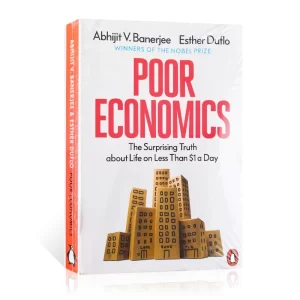
Poor Economics By Abhijit V.Banerjee
Original price was: $18.09.$12.14Current price is: $12.14. -
Book Sets, Books, How Big Money Investors Think About Money, How To Think Like A Big Money Millionaire, Spiritual, Wealth Creation
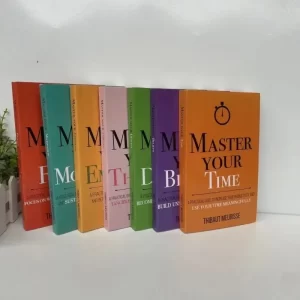
7 Book Set – Master Your Time – Master Your Beliefs – Master Your Destiny – Master Your Thinking – Master Your Emotions – Master Your Motivation – Master Your Focus By Thibaut Meurisse
Original price was: $93.43.$67.33Current price is: $67.33.