
How To Protect Your Personal Residence (Keep Your Name Off Public Record) | Big Money Investing Review
Video Transcript
Welcome to Big Money Investing
Your Ultimate Destination for Learning From Big Money and How You Can Succeed Too!
Are you ready to take it to the next level?
Investing into sound investments like big money does. Subscribe to the Big Money Investing Channel
Are you a doctor? Contractor? Business owner? Maybe an investor? Listen, you probably have. Target risk and a family at home. So should you deed your personal residence into an LLC or a trust. Or just leave it alone? Well, in this video, what I’m going to do is I’m going to break it down for you and give you a clean framework on how to protect your home without creating new problems with your lender or insurer. All right. Let’s get started. Okay. So what are we doing here? We’re basically balancing three things. Number one it’s liability okay. Can someone take your home from you. The other thing we’re going to be looking at is lenders and insurance. Will your banker insure bulk if you change title to that property. That’s a real concern. And the third thing is privacy. Can we keep your name off the public record so people don’t even know that you have this property? All three of these things are extremely important when it comes to protecting our personal residence, but we have to make sure we’re using the right structure. And there’s a lot of people out there that talk about LLCs and other things as well when it comes to protecting their home. Listen, I’ve been practicing for 27 years and I’ve worked with tens of thousands of real estate investors and homeowners, and I’ve shown them strategies to protect their personal residence. And I realize there’s a lot of misconceptions out there when it comes to asset protection. For personal residence. And so here are some of the things you got to be aware of that just do not work. So primary residence planning for your personal residence. It’s different than what we use typically or the process behind it for protecting an investment property. You see, the wrong move can actually trigger a do on sale clause with your residence. It won’t do this with a rental property. So we want to make sure that we’re setting things up the right way. And these oftentimes mistakes and thinking that people, bring with them to this type of planning is born from receiving bad information, for example, LLCs. All right. LLCs do not automatically make your home untouchable. They’re a great shield. And I’m going to talk about this. But they don’t make them untouchable. Right. So check that one off. The other thing I want you to realize is trusts. All right. Trust do not equal lawsuit protection. So trust okay does not equal lawsuit protection. So just know that that’s really important. And then the third thing is you know people say hey lenders do not care about title change. That is wrong okay. Lenders do care about title change when you change title to your real estate, if they find out about it, especially when you have a loan on a personal residence, because that’s a different type of loan than an investment property loan. So we have to understand that, when we’re going out, putting this together. Okay. So let’s talk about the first option. Should you put your home into a limited liability company. So let me just put this one here. Home into an LLC. All right. So if you’re considering using an LLC here’s some of the the benefits of using this. Number one it it has a perception of asset protection okay. Now I told you earlier does not equal asset protection for your personal residence. But it’s got this perception. And I would like to have that perception because when I’m thinking about, protecting an asset like my personal residence, if I can make it seem really difficult for a potential creditor to to get after that property because it’s no longer in my name and they’re suing me individually, then I count that as a small win, because when you put your property into an LLC, it it doesn’t it’s not considered to be a business because you’re not renting the property. So they could potentially pierce it. But the thing is, is that most creditors or their attorneys are lazy. They want the low hanging fruit. And listen, my low hanging fruit is going to be my insurance policy. So that’s what I want you to go after. The other thing about, using it. So this is asset protection perception. Okay. The other thing about using a limited liability company that’s really strong is anonymity. Right? So when you set the LLC, you were I would set up an LLC for your personal residence. It would be Wyoming. So it doesn’t matter where you live any state. So if you live in Washington state and Oregon, Idaho, California, you can have a, Wyoming limited liability company hold title to your property. Now, why would I put my property in a Wyoming LLC? Because in Wyoming they do not. That is, the state does not collect information on the members or managers of that LLC. So if you take title to your property, that’s, that’s, one, two, three Main Street and you move it into an LLC and we’ll set up this LLC, and you called it no one LLC. That’s what you you incorporated it as well. No one LLC owns it. If anybody looks at no. One LLC, they’re surely not going to see your name because there’s nothing’s collected by the state. So those are two of the main benefits of using this strategy, this perception and the anonymity. Now it does come with some caution here. So you have to realize this as well. All right. So the problem with this strategy the cons let’s call them number one is due on sale. Now. The likelihood of a bank accelerating your mortgage is pretty small okay. In 27 years of practicing, I’ve probably only seen this happen less than 18 times. But it’s real. And if it’s your personal residence and you have a very low interest mortgage on it, do you want to risk this? So that’s something you’d have to work through. I’m moving it into an LLC because that’s going to violate the loan and give the lender the right to accelerate. If they discover it now, how would they discover the fact that you’ve transferred the property? Well, when you change your insurance, if you don’t do it the right way, they could pick up on that. If you ever miss a payment, they’re going to do a title search. They’ll see it that way. So there are some ways in which they can discover this stuff. All right. The other thing you have when, you set up or what we call a con and setting this up is going to be a homestead issue. Okay. So if you’re setting up a limited liability company to own your personal residence and you live in a state that has a huge homestead protection, then you’re going to lose that automatically. And so you have to balance this and say, all right, well, is it really worth it to get this stronger wall around my asset for the anonymity and the perceived asset protection at the risk that if they did pierce it because they could because you’re it’s not treat as a business then I’ve lost my homestead. So if you live in a state such as Florida, I would never look at using this type of strategy for my primary residence. And the third thing is going to be taxation. Okay, so in using this strategy for a limited liability company, unless you live in a community property state, when you set up this LLC, like for example, I live in Washington state, so my wife and I could own an LLC together and we can treat it as what we refer to as a disregarded entity because this is a community property state. Now, if we lived in, another state, say in Michigan, Michigan is not a community property state. So in that instance we wouldn’t be able to treat it. I sure hope Michigan isn’t, I didn’t think it was, but we wouldn’t be able to treat it in that manner. And so this LLC, if both of us wanted to be owners of it and it owns our personal residence, would have to be a partnership. Now, what does that mean? That means we have to file a tax return. That’s an issue. But the other problem that I find is that you then jeopardize your 121 exclusion. That is the 250,000 per person. When you sell that you have to pay taxes on, on the gain in your personal residence that’s now at risk. So if you’re a married couple and you’re living in a non community property state and it’s easy to find out, just Google it. Then if you put an LLC in place, both of you can’t be on there. And I don’t know how many spouses are willing to give up ownership of their personal residence and say, oh, honey, you can be the sole owner on that. So that brings us to option B. All right. Well, before I go to option B, let me just say one of the things. So where is option A then. Most appropriate. It’s going to be most appropriate for people who own their property outright. They live in a community property state or they don’t live in a community property state. They own it outright. And only one person is going to go on title. Now, there is one small way in which we can work this out through a living trust and still have the spouses there, but generally speaking, that’s when I would use this strategy. So if you don’t fall into that strategy or that category there, then we’re going to look at this one here, home okay. Into a privacy trust. That’s what we want to do with this one. So the privacy trust why do we want to do this to a privacy trust is a revocable trust. So the benefit of using this strategy is just that privacy. All right number one. So so people will not know that you have title to this property. Because when you set up a privacy trust you will be using what we call a nominee trustee okay. Nominee trustee is someone other than yourself that will show up on title. So it’ll say for example, in don’t know this 16 17,000 trust my name will appear is Clint Coons, Esquire, trustee of the Green Box Trust. And inside of it will be a property that I don’t own, but our clients own. So for our clients now, they have anonymity or privacy that if somebody looks up their name, they’re not going to associate them with that property. If someone looks up the property, they’re not going to associate the property back to them, because I’m standing there as this block or trustee. So people assume that somehow I have some relation to the property. The reality is I have zero relation to the property. I was there just as a trustee. I resigned my position and my clients took over. This is how we create this privacy shield for our clients that use the trust strategy for protecting their personal residence. So it’s great the concerns that always come up, hey, I don’t have control. No, you do, because you’re the beneficiary of this trust. That means you’re the owner of the trust, which makes you the owner of the asset. The second thing about this, using this strategy is judgment protection. So what do I mean by that? So with judgment protection, if you’re involved in a lawsuit and somebody obtains a judgment against you, typically what they’re going to do with that judgment, okay, is they’re going to record it in whatever county you reside in. Now, when they recorded in the county, then that judgment is, think of it as a, a bloodhound. It’s just going to start looking around to find any property you own. And what it’s going to look for is a, hey, if you want a piece of property, it’s in your name, then it’s going to automatically attach to that property. So when you put your property into a trust now it’s outside of your name. So that judgment has nothing to attach to. So what that means is that we’ve seen clients do this many times. They could sell their property out of the trust. And if they did have a judgment, that judgment is not going to be paid or that the proceeds would not be paid to their creditor, they could refi the property in the name of the trust, and those proceeds wouldn’t be paid to a creditor that recorded a judgment against them, because it’s not attaching to the property itself. So those are the two main benefits of using this as well. And the third one here is you preserve, homestead. So you preserve your homestead with this structure as well. So I really like that. And. Oh, actually there’s a fourth one here. Okay. There’s do on sale protection. So, you see, the list gets, a little long here when we’re using trust. And that’s why a lot of people tend to gravitate towards a privacy trust for their personal residence. Because you can still have debt on the property and transfer it in. So you get this, this, benefit here. Now, the the the drawback to using this, of course, though, you have to be aware of okay. Number one is there’s no asset protection okay. So what that means is that when I gave you the example, somebody obtained a judgment against you and they recorded in the county. It won’t stick to this property. Now if you have an aggressive creditor, they could go after you personally and take your trust interest and get title to your property. That is a possibility. So it doesn’t offer asset protection from that standpoint. Okay. This is a privacy shield. It’s a judgment that they get recorded against you. They don’t attach. The other thing. If somebody was injured on your property that’s held in a trust, they could come after you individually as the beneficiaries because this is a grantor trust. All right. And grantor trust. Typically the type that I’m talking about here do not provide. These are not asset protection trusts by their very nature. So you’re not going to get that benefit by using this trust. But the thing is is that there are as I stated, hey, these four right here work for a lot of us. So if you have, a mortgage on your property right now, you live in a state that has a, high homestead or you’ve got a, an issue that you want to keep privacy over that property, then I would definitely look at using this privacy trust. Now, there’s some other things out there you might want to look at as well. You can own your home is tenancies by the entirety. That’s that’s an option for you as well that doesn’t necessarily require you to take title and put it into any particular, structure. So you could have a husband here and wife here owning their house as tenancies by the entirety. We’ll just call it. This is allowed in certain states. And what that means is that a judgment against one spouse, doesn’t mean that puts the house at risk, because you can’t take it. So that’s great. And some people do that. But however, there have been recent cases over the last 10 to 15 years that have started to eat away at this once golden protection rule that people used to have. And the other drawback of using tenancy by the entirety is that you don’t have any anonymity. So if you’re going to go down this route, you’re going to use either the LLC or the trust. What I would recommend is that once you set it up, you’re working with someone who understands this because you want to make sure you’re after the property is transferred into either one of these entities. You’re setting up your insurance the right way so you don’t alert if you have a lender. The fact the property’s been transferred, we don’t want to create anyone, you know, come sniffing around. And you want make sure you’re titling the right way. So when you title it in the trust, you’re using the right form of deed. So both of these strategies are phenomenal strategies. And we protected thousands of personal residences over the years by doing these. Next question you need to be asking yourself is hey is it right for you? Now if you want to figure that out, all you need to do is go to the show notes below and you can set up a free strategy session here at Anderson. And what we’ll do is we’ll walk you through the pros and cons just like I did, but we’ll make it specific to you and look at your state and where you live, and then help you decide, hey, which one of these two strategies that I just laid out would work best in protecting your assets? Take care.Welcome to Big Money Investing – Your Ultimate Destination for In The Money Facts!
🌴 Discover the Big Money Investing Strategies on Metals and Real Estate Investing. 🌊
Experience the world of finance with Big Money Investing. We bring you the latest and greatest from Big Money Investors, showcasing the whys, how-to’s, and best practices. Whether you’re planning a short—or long-term investment, preparing is the first and most important step. The Big Money Investing channel is a great go-to investment advice source
🔥 What You Can Expect:
- Exclusive Financial and Big Money Investing How-To’s
- Big Money Financial Traits: Learn how to mix and match your perfect investment portfolio to match the planned-out time horizons.
- Financial Learning Is A Lifestyle Change: Stay financially fabulous with our expert investing tips, real estate practices, and healthy lifestyle advice.
- Behind-the-Scenes: Get a sneak peek into how the Big Money Investors spend some of that return, from photoshoots to interviews with the experts.
👙 Why Subscribe to Big Money Investing?
- Stay Updated: Be the first to know about new investment ideas and most importantly what not to be part of in today’s age.
- Inspired Goals Lend Motivation: Get inspired by our Big Money Investors’ vibrant and diverse lifestyles, a perfect view at times.
- Engaging Community: Join a community of financial enthusiasts and wealth producers who love to share their passion for life with others.
🔔 Subscribe Now: Hit the subscribe button and turn on notifications so you never miss an update from Big Money Investing. Join us on this fabulous journey and transform your financial situation with the latest trends and tips from Big Money Investing. Thank you for being a part of our amazing community.
#BigMoneyInvesting #big #money #investing #lifestyle #investors
Support Big Money Investing Sponsors
-
Book Sets, Books, How Big Money Investors Think About Money, How To Think Like A Big Money Millionaire
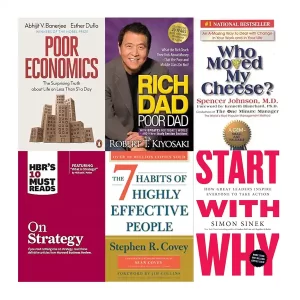
Big Money Financial Investment Management Book Set
$85.44 – $177.66Select options This product has multiple variants. The options may be chosen on the product pageQuick View -
Books, How To Think Like A Big Money Millionaire, Top Level Communication Skills
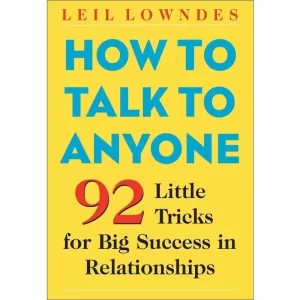
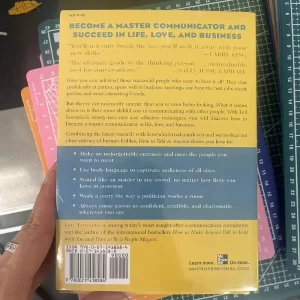
How to Talk to Anyone by Leil Lowndes 92 Little Tricks for Big Success in Relationships
Original price was: $18.24.$12.89Current price is: $12.89.Select options This product has multiple variants. The options may be chosen on the product pageQuick View -
Books, How To Think Like A Big Money Millionaire
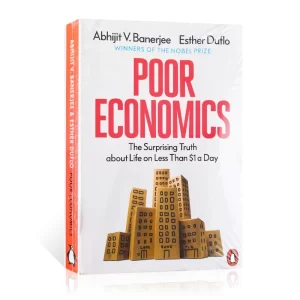
Poor Economics By Abhijit V.Banerjee
Original price was: $18.09.$12.14Current price is: $12.14. -
Book Sets, Books, How Big Money Investors Think About Money, How To Think Like A Big Money Millionaire, Spiritual, Wealth Creation
7 Book Set – Master Your Time – Master Your Beliefs – Master Your Destiny – Master Your Thinking – Master Your Emotions – Master Your Motivation – Master Your Focus By Thibaut Meurisse
Original price was: $93.43.$67.33Current price is: $67.33.